
- September 7, 2026
- Posted by: Muhammad Shehzad
- Category: Blogs
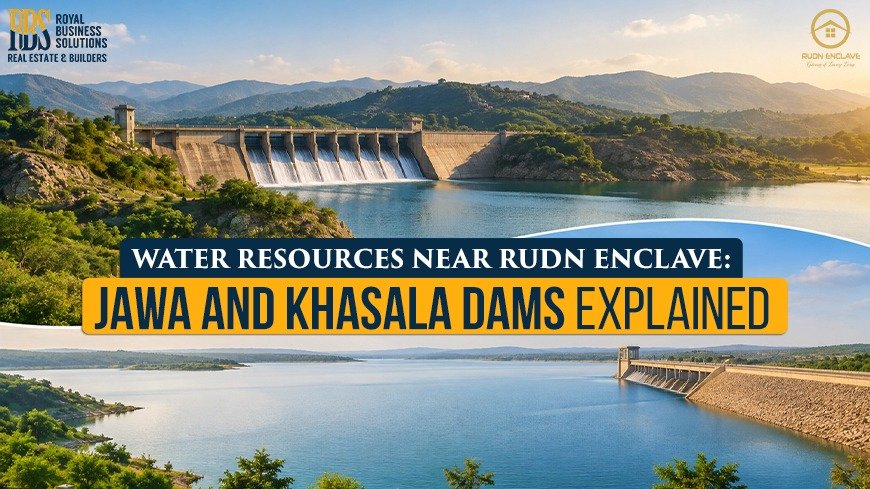
The most important question that a buyer asks while buying a plot in any housing society is the availability of water. Especially in the Potohar region, where the land is deprived of groundwater and is completely dependent on rainfall. The water resources near RUDN Enclave are not just based on verbal promises of boring or WASA, but on practical and natural sources.
The government built two functional dams very close to the borders of this society: Khasala Dam, located in the north-eastern part of the society. Jawa Dam: Located in the south-western part of the society. Both these dams are not only fully functional but also part of the Rawalpindi Irrigation Project managed by the Punjab Irrigation Department.
This is why the water resources in RUDN Enclave are completely different from all other societies and are built on a strong foundation.
The Water Challenge on the Potohar Plateau
The entire Potohar region is dependent on rainwater. No perennial rivers run through it, and groundwater in many parts of the area is either unavailable or sits so deep, sometimes beyond 300 feet, that extracting it isn’t practical for everyday residential use.
This is why the biggest problem for most housing societies in this belt is the non-availability of water. Societies that depend on water tankers or the unstable network of WASA face severe water shortages during the summers.
The fact that RUDN Enclave is located between two big dams changes this situation completely. Due to the water resources near RUDN Enclave Islamabad, this society is unique and the best among all the other societies in the region.
Khasala Dam: A Natural Water Reservoir in RUDN Enclave
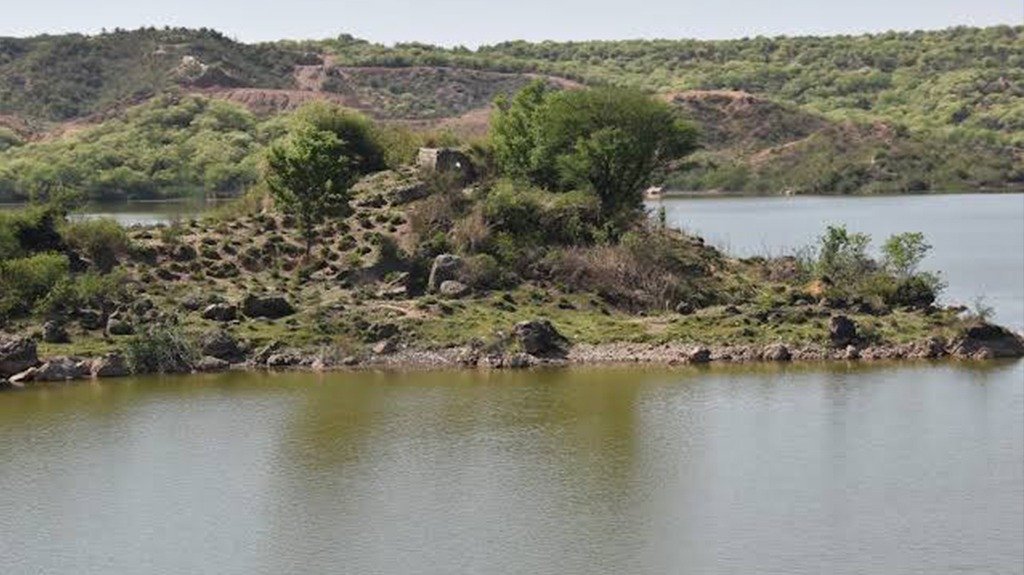
The Khasala Dam near RUDN Enclave is a rain-fed reservoir built in 1985 on the Khasala Khurd River, a tributary of the Soan River. It sits right at the north-eastern edge of the society. In fact, RUDN Enclave has grown around it to the point where the society’s boundary now surrounds the dam on multiple sides.
Key facts about Khasala Dam:
- Storage capacity: 2,415 acre-feet
- Catchment area: 28.5 square kilometres
- Built: 1985
- Managed by: Punjab Irrigation Department
- Status: Operational, listed in the Ministry of Water Resources National Register of Dams
Every monsoon season, the dam collects and holds runoff from the surrounding Potohar hills. For residents, this translates into a local surface water source that refills naturally year after year, with no infrastructure dependence and no supply chain to worry about.
Historically, the water from the Khasala Dam has been used mostly to irrigate the surrounding agricultural lands. However, the canal system to transport water to the lower reaches has never been fully developed, leaving a large portion of the dam unused each year.
As the RUDN Enclave continues to grow and the demand for water increases with the influx of residents, the proximity of the dam is proving to be an ideal and practical solution. With the improvement of the regional water management system, RUDN Enclave and its residents are in the best geographical position to directly and fully benefit from this natural reservoir.
Jawa Dam: The Larger Reserve to the South-West
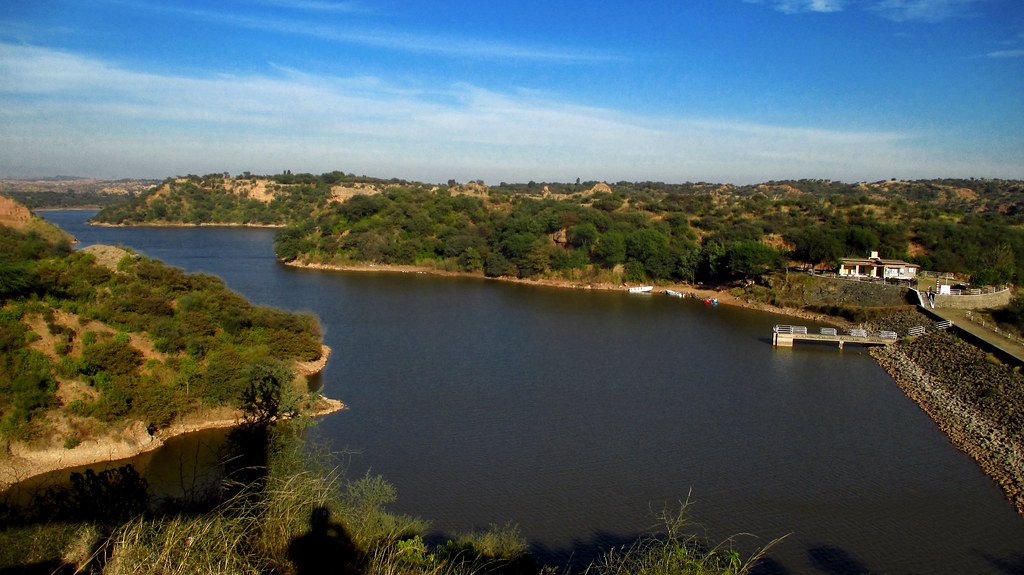
The Jawa Dam near RUDN Enclave sits on the Jawa River, a few kilometres to the south-west, and was completed in 1994. It’s the larger of the two reservoirs by a wide margin:
- Catchment area: 77 square kilometres
- Gross reservoir capacity: Nearly 2 million cubic metres
- Command area: Over 80,000 acres
- Hydroelectric capacity: 1.6 MW power station
The Pakistan Army currently manages the dam, which serves as a primary water reservoir and a major recreational spot, with boating, jet skiing, and fishing available with prior permission.
A large portion of the ‘rahu’ fish sold in Rawalpindi’s markets comes from the Java Dam, Masriot, and Khasala Dam. This is a small testament to the fact that the water from these dams is cleaner and healthier than the general urban water supply.
Because of its large size and capacity, the Adiala Road corridor, including RUDN Enclave, benefits directly from this reservoir. The dam has been continuously operating for the past 30 years and is maintained in a much better and more systematic manner than the general civilian dams.
Jawa and Khasala Dams in RUDN Enclave
Independent of a Single Water Source
Most housing societies on the Potohar belt have one answer to the water question, usually a borehole or a WASA tanker arrangement. RUDN Enclave has two government reservoirs within its immediate geography.
Locally Available Water, Year-round
Both dams collect monsoon runoff and hold it through the dry season. Khasala Dam’s catchment alone covers 28.5 square kilometres of Potohar hillside, refilling the reservoir every monsoon regardless of what happens to WASA supply or groundwater levels elsewhere.
The Government Planning
The Punjab government’s long-term plan is to make the best use of the network of small dams in the Potohar region to provide water to the growing population of Rawalpindi. As work on this project progresses, the infrastructure around Khasala Dam and Jawa Dam will further improve.
The biggest and most direct beneficiary of all this progress will be RUDN Enclave, as this society is located in the immediate vicinity of these two dams. For anyone thinking of investing or living in RUDN Enclave, these dams are not just a beautiful sight but a strong and durable guarantee of a constant and uninterrupted supply of water.
Shaping the Landscape
Water bodies of this size keep the surrounding area noticeably cooler and greener than the wider plateau. The microclimate around the reservoirs- lower temperatures, slightly higher humidity, and natural vegetation along the water’s edge- makes daily life in RUDN Enclave meaningfully different from housing societies built on dry, open land far from any water source.
RUDN Enclave’s Natural Resources
Beyond their practical value, Jawa and Khasala Dams also function as scenic natural landmarks that add long-term appeal to the area. Together, these water resources near RUDN Enclave contribute to a healthier microclimate, a greener landscape, and a more balanced lifestyle for residents.
Conclusion
When comparing housing societies near Islamabad and Rawalpindi in Pakistan, buyers often do not pay as much attention to water supply as they should. This issue usually arises after possession, when residents realize that the borehole is not working in the summer or the water tanker expenses are increasing much more than expected.
The presence of the Java Dam and the Khasala Dam gives RUDN Enclave a natural advantage that very few societies in the region can match. Not only are they important water reservoirs, but these beautiful places play a significant role in making the environment pleasant, enhancing the scenic beauty, and providing a balanced life to the future residents.
The proximity of water resources near RUDN Enclave not only brings natural beauty but also, combined with its modern infrastructure and excellent accessibility, further strengthens the long-term economic and residential value of the entire area.