
- July 6, 2026
- Posted by: Muhammad Shehzad
- Category: Blogs
Buying a property is one of the biggest financial decisions most people make. Whether you are purchasing your first home or planning to invest, even a small mistake can lead to legal issues, unexpected expenses, or financial loss. That is why understanding how to buy property the right way is essential before signing any agreement or making a payment.
Many buyers focus only on the price or location and ignore important legal and financial checks. A well-planned approach helps you avoid common problems and gives you confidence throughout the buying process. This property buying guide explains the essential steps, highlights the property buying mistakes you should avoid, and shares practical advice to help you make a secure investment.
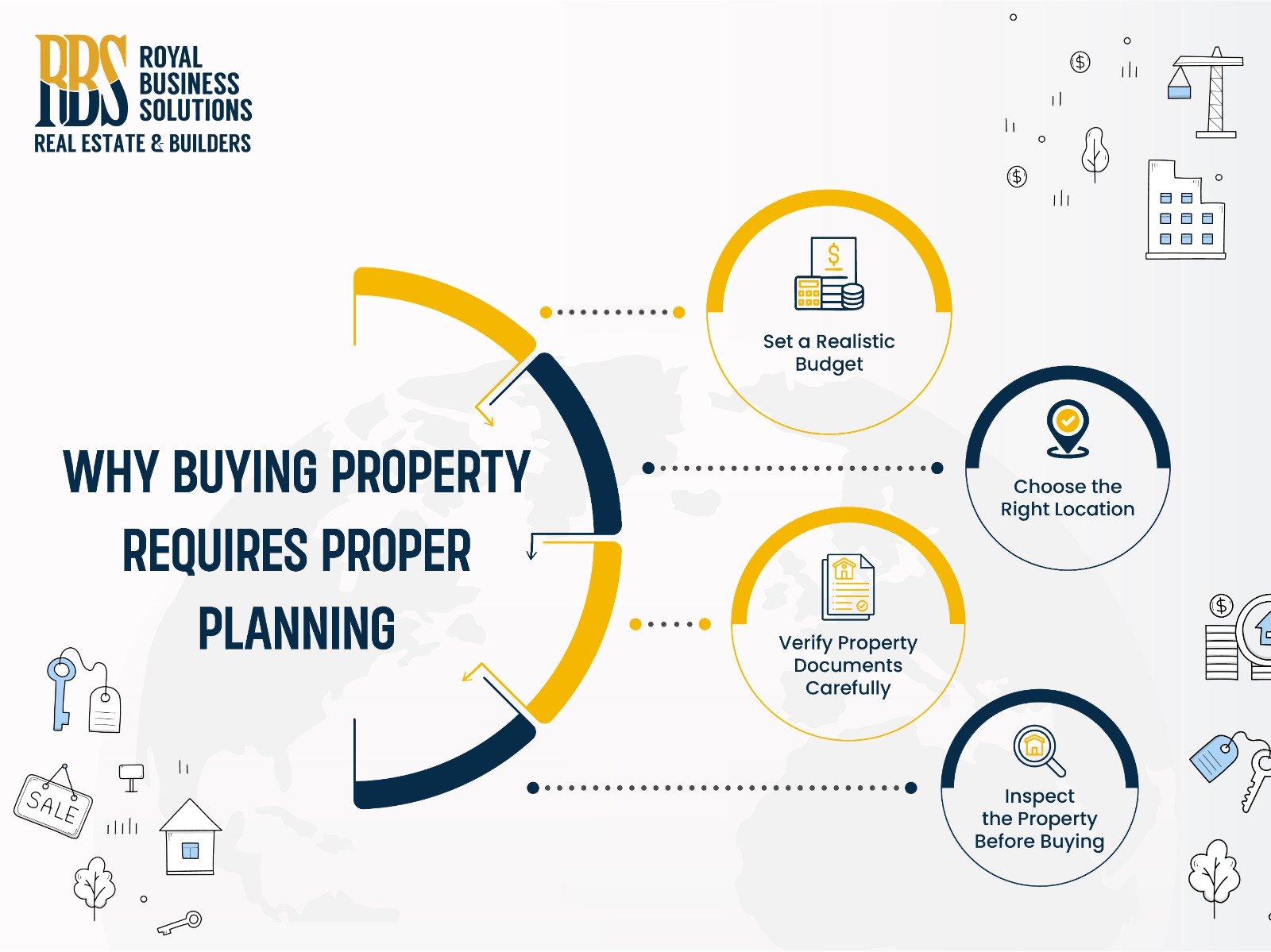
Why Buying Property Requires Proper Planning
Property is a long-term investment, and every decision you make can affect its future value and your financial security. Rushing into a deal without proper research often results in unnecessary stress and avoidable losses.
Before you start searching for a property, define your purpose clearly. Ask yourself whether you are buying a home for your family, purchasing land for future construction, or making an investment for rental income or resale. Your objective will influence your budget, preferred location, and the type of property you should consider.
A clear plan also helps you compare different options realistically instead of making decisions based on emotions alone.
Set a Realistic Budget
One of the biggest property buying mistakes is focusing only on the property’s listed price. The actual cost of ownership includes several additional expenses that buyers often overlook.
Your budget should include:
- Property price
- Taxes and government fees
- Registration and transfer charges
- Legal documentation costs
- Agent commission (if applicable)
- Renovation or repair expenses
- Utility connection charges
Keeping some funds aside for unexpected expenses can prevent financial pressure after the purchase. Avoid stretching your finances to the maximum, as owning a property also comes with ongoing maintenance costs.
Choose the Right Location
Learning how to choose the right property starts with selecting the right location. A good property in a poor location may not deliver the returns or lifestyle you expect.
When evaluating an area, consider factors such as:
- Accessibility to main roads
- Schools, hospitals, and shopping centers
- Public transportation
- Security and neighborhood environment
- Future development plans
- Availability of utilities
For investors, areas with upcoming infrastructure projects often have better long-term appreciation potential. For families, convenience and safety usually matter more than future price growth.
Verify Property Documents Carefully
One of the most important things to check before buying property is the legal documentation. Never rely solely on verbal promises or photocopies.
The property verification process should include checking:
- Ownership documents
- Sale deed
- Registry records
- Approved layout plans
- Tax payment records
- No Objection Certificates (NOCs), where required
- Encumbrance status
If you are unsure about any document, consult a qualified property lawyer. Understanding how to verify property documents before buying can save you from legal disputes and fraudulent transactions.
Inspect the Property Before Buying
Never make a purchase based only on photographs or online listings. A physical inspection gives you a better understanding of the property’s actual condition.
Look for issues such as:
- Structural cracks
- Water leakage
- Electrical problems
- Plumbing condition
- Roof quality
- Boundary measurements
- Road access
If you are buying a constructed house or commercial property, hiring a professional inspector can help identify hidden problems that may require expensive repairs later.
How to Buy Property?
Following the proper real estate buying process reduces the chances of mistakes and delays.
A typical process includes:
- Define your budget.
- Search for suitable properties.
- Verify ownership and legal documents.
- Visit and inspect the property.
- Negotiate the price.
- Sign a legally valid agreement.
- Complete payment through secure methods.
- Register the property.
- Transfer ownership officially.
Skipping any of these steps can create legal or financial complications in the future.
Common Mistakes When Buying Property
Many buyers repeat the same errors because they rush into deals without proper research. Understanding the common mistakes when buying property can help you make better decisions.
 Some of the most frequent mistakes include:
- Buying without document verification
- Ignoring hidden costs
- Not checking market prices
- Making emotional decisions
- Trusting unverified agents
- Skipping property inspections
- Not reviewing legal agreements carefully
- Purchasing without future planning
Avoiding these mistakes can protect both your investment and your peace of mind.
Property Due Diligence Is Essential
Property due diligence means verifying every important detail before finalizing the purchase. This process ensures that the property is legally clear and financially worthwhile.
Due diligence includes checking ownership history, confirming there are no legal disputes, reviewing development approvals, verifying property tax payments, and ensuring the seller has the legal right to transfer ownership.
Taking time for proper verification is far better than dealing with legal complications after the purchase.
Property Purchase Checklist
Following a property purchase checklist helps ensure that nothing important is overlooked during the buying process.
Before completing the purchase, confirm that you have:
- Verified ownership documents
- Inspected the property personally
- Confirmed market value
- Checked utility connections
- Reviewed legal approvals
- Verified tax records
- Read the sale agreement carefully
- Calculated all additional costs
- Completed registration requirements
A checklist provides a structured approach and reduces the risk of expensive mistakes.
Tips for First-Time Property Buyers
If you are purchasing your first property, the process may seem overwhelming. These tips for first-time property buyers can make the experience much smoother.
Start by researching the local market instead of making quick decisions. Compare multiple properties before selecting one. Always ask questions if anything is unclear, and never hesitate to seek legal or financial advice when necessary.
Most importantly, avoid rushing because of limited-time offers or pressure from sellers. A genuine property opportunity will still stand up to proper verification.
How to Buy Property in Pakistan Safely
When buying property in Pakistan, extra caution is necessary because documentation and legal procedures can vary between cities and housing societies.
To ensure a safe property investment, verify that the housing society is approved by the relevant development authority. Confirm ownership through official land records, verify all NOCs, and complete transactions using secure banking channels instead of cash whenever possible.
Working with reputable real estate professionals and experienced legal advisors can also reduce the risk of fraud.
Property Investment Tips for Long-Term Success
If your goal is investment rather than personal use, focus on long-term value instead of short-term excitement.
Some practical property investment tips include:
- Invest in locations with future development potential.
- Study historical price trends.
- Consider rental demand before purchasing.
- Diversify your investments when possible.
- Avoid overpaying during market hype.
- Think about future resale value.
A successful investment is built on careful research, patience, and informed decision-making rather than speculation.
How to Avoid Property Scams in Pakistan
Unfortunately, property fraud is still a concern for many buyers. Knowing how to avoid property scams in Pakistan can protect your investment.
Always verify the seller’s identity and ownership documents through official channels. Never make advance payments without proper documentation, and avoid deals that seem unrealistically cheap. Use registered legal agreements and keep complete records of every payment and communication.
If you have any doubts during the process, seek advice from a qualified lawyer before proceeding.
Conclusion
Understanding how to buy property without making mistakes requires more than finding an attractive property. Careful planning, document verification, market research, and legal due diligence all play an important role in making a secure purchase.
Whether you are a first-time buyer or an experienced investor, following a structured property-buying guide, completing the property verification process, and using a proper property purchase checklist can help you make informed decisions and avoid unnecessary risks. Taking the time to verify every detail today can save you from significant financial and legal problems in the future while helping you build a safe and valuable real estate investment.